


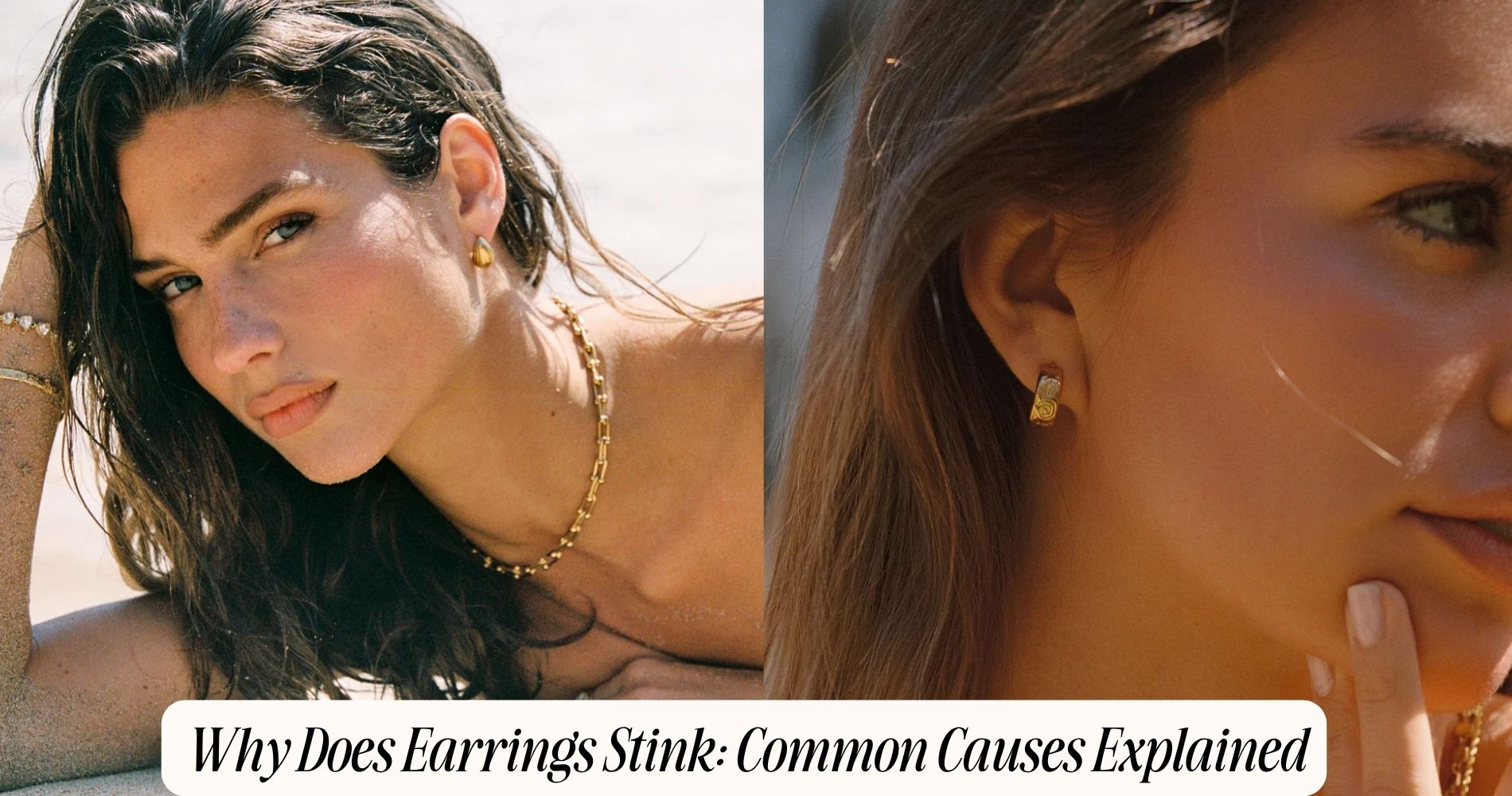
Why Does Earrings Stink: Common Causes Explained
If you have pulled out an earring and noticed an unpleasant smell, you are not alone and the cause is not poor hygiene in any simple sense. The odor that builds up on earrings and around piercings has specific biological and chemical sources that are worth understanding, because knowing what causes it tells you exactly how to address it. Why does earrings stink is a question with a clear, practical answer. Waterproof Earrings in materials that do not trap or react with the compounds that cause odor are part of the long-term solution. This guide covers every cause of earring and piercing odor, the correct cleaning methods for each, and the material and habit changes that reduce or eliminate the problem.
What Actually Causes Earring Odor
The smell associated with earrings comes from a combination of biological and chemical sources that accumulate at the piercing site and on the earring post over time. Understanding each one helps you address the right cause rather than cleaning ineffectively.
Sebum accumulation. Sebaceous glands in the skin surrounding the piercing produce sebum, a natural oily substance that lubricates and protects skin. Sebum production continues inside the piercing channel, where it accumulates along the post and at the front and back of the piercing hole. Sebum itself is not malodorous, but when it oxidizes through air contact and mixes with dead skin cells, it develops a waxy, cheesy smell that most people recognize as the primary earring odor.
Bacterial activity. The warm, slightly moist environment inside a piercing channel is favorable for the bacteria that naturally live on skin. When sebum, dead skin cells, and any product residue accumulate around the post, those bacteria metabolize the organic matter and produce compounds including short-chain fatty acids and sulfur-containing molecules that contribute strongly to odor. This is not an infection. It is the normal bacterial activity of skin flora in an environment that has accumulated biological material.
Dead skin cell buildup. The piercing channel is lined with skin cells that shed normally, just like the skin everywhere else on the body. In a standard ear piercing, those shed cells have limited routes of exit and accumulate along the post surface and inside the channel. Mixed with sebum and exposed to bacteria, dead skin cells become a significant odor source.

Product and environmental residue. Hairspray, dry shampoo, conditioner, sunscreen, and skincare products that contact the earring and piercing area contribute compounds that are not easily rinsed away. These products leave residue on the post and inside the front of the piercing that compounds the sebum and dead cell buildup over time.
Metal corrosion from reactive base metals. In fashion earrings with reactive base metals, particularly copper and brass beneath worn plating, metal corrosion at the post adds a metallic, sulfurous quality to the odor. The compounds produced by copper and brass oxidation inside a moist piercing environment have a distinct smell that differs from the biological sebum odor and indicates the earring material itself is contributing to the problem.
Why Does Earrings Stink More With Some Materials
The material an earring post is made from affects how much odor accumulates and how quickly.
Smooth, non-reactive materials like surgical-grade stainless steel (316L) and titanium create a post surface that sebum and dead skin cells do not adhere to easily. The passive surface of these metals does not interact chemically with the biological material around the piercing, which means buildup slides off more readily during cleaning and does not contribute its own chemical compounds to the odor.
Reactive base metals like copper and brass, present in the posts of many fashion earrings once the plating degrades, actively contribute to odor through their corrosion reactions inside the moist piercing environment. The oxidation of copper produces compounds with a distinctive metallic-sulfurous smell that intensifies the biological odor from sebum and bacteria. People who notice their earring smell worsening over time despite regular cleaning are often experiencing progressive corrosion of the post base metal as the plating wears through.

Sterling silver posts also contribute to odor through tarnishing. Silver sulfide, the compound responsible for silver tarnishing, has a mild but detectable sulfurous smell that adds to piercing odor, particularly in posts worn continuously without regular removal and cleaning.
Rough or textured post surfaces create more surface area for sebum and biological material to adhere to and accumulate in, compared to smooth polished posts. Butterfly backs are particularly problematic because their wing structure creates enclosed gaps that trap sebum and moisture directly against the rear of the lobe.
How to Clean Earrings to Remove Odor
Cleaning addresses the accumulated sebum, dead cells, and bacteria that cause odor. The method depends on the earring material and how significant the buildup is.
For regular maintenance cleaning:
Remove the earring completely. Mix a small amount of mild dish soap with warm water in a small bowl. Soak the earring for two to three minutes to soften any accumulated material. Use a soft-bristled toothbrush to gently scrub the post, paying particular attention to any grooves, threads, or the area where the post meets the setting. For butterfly backs, open the back fully and clean the interior of the wing mechanism where sebum concentrates. Rinse thoroughly under running water and dry completely with a soft cloth before reinserting.
For the piercing channel itself:
Use a saline solution (a quarter teaspoon of non-iodized salt dissolved in 240ml of warm distilled water) applied with a clean cotton pad to wipe around the front and back of the piercing. This removes sebum and dead cell buildup from the skin surface around the piercing hole. Do not use hydrogen peroxide or alcohol on healed piercings: both dry out the skin, disrupt the natural skin barrier, and can worsen the sebum production that causes odor by triggering a compensatory response.
Cleaning frequency:
For earrings worn continuously, a thorough cleaning once or twice a week prevents the buildup from reaching odor-causing levels. For earrings removed daily, cleaning before reinserting and checking the back mechanism for buildup monthly is sufficient.

Causes of Earring Odor and Their Solutions
| Cause | Sign | Solution |
|---|---|---|
| Sebum buildup | Waxy, cheesy smell on post | Weekly soap and water cleaning with toothbrush |
| Bacterial activity | Stronger smell in warm weather or after exercise | Saline rinse around piercing, more frequent post cleaning |
| Dead skin cell accumulation | White or gray material visible on post | Soak before scrubbing to soften buildup |
| Product residue | Smell develops after using hair or skin products | Rinse post and piercing area after product contact |
| Reactive metal corrosion | Metallic or sulfurous smell, gets worse over time | Switch to non-reactive post material |
| Butterfly back trap | Smell concentrated at the back of the lobe | Switch to flat back closure, clean back mechanism weekly |

Frequently Asked Questions
Why do earrings smell even after cleaning?
If earrings still smell after cleaning, the source is usually the post base metal rather than biological buildup. A corroding copper or brass post inside a worn-through plating layer produces metallic compounds that cleaning does not remove because the odor comes from the ongoing corrosion reaction rather than accumulated material. Switching to a non-reactive post material, 316L stainless steel, titanium, or solid gold, addresses the source rather than the symptom.
Is earring odor a sign of infection?
Earring odor from sebum and bacterial activity on a healed piercing is not a sign of infection. Normal piercing odor is the waxy or cheesy smell of oxidized sebum. Signs of infection are different and include persistent redness, warmth and swelling around the piercing, pain on touch, and discharge that is yellow or green rather than clear or white. If those symptoms are present alongside odor, a healthcare provider should be consulted rather than treating it as a cleaning issue.
Why does one ear smell more than the other?
Sebum production varies across different skin areas and can be asymmetric. The ear you sleep on concentrates warmth and moisture against the lobe through the night, which increases sebum production and bacterial activity on that side. Earring style also matters: if one ear has a butterfly back and the other a flat back, the butterfly back side will accumulate more odor-causing material regardless of cleaning habits.
Can you prevent earring smell completely?
Complete prevention is not realistic since sebum production is a normal skin function. Reducing the smell to an imperceptible level is achievable through weekly cleaning of the post with soap and a soft brush, saline rinse around the piercing, switching to flat back closures, and using non-reactive post materials that do not contribute their own chemical odor. Most people who follow these practices consistently find that earring odor becomes a non-issue rather than an ongoing problem.
Does wearing earrings all the time make them smell worse?
Continuous wear means sebum and biological material accumulate on the post without the break in contact that removal provides. This increases buildup rate compared to earrings removed daily and stored dry. However, continuous wear with the right material and a weekly cleaning routine produces less odor than irregular wear with reactive base metals and infrequent cleaning, because the material contribution to odor is often larger than the accumulation rate contribution.
Conclusion
Why does earrings stink comes down to sebum oxidation, bacterial activity on accumulated biological material, and in many cases the chemical contribution of a corroding post base metal. Cleaning removes the accumulated material effectively when done with a soft brush and mild soap weekly, and saline solution addresses the piercing channel itself. Switching to flat back closures and non-reactive post materials in 316L stainless steel or titanium removes the metal contribution to odor and reduces how quickly buildup returns. Both changes together, cleaning habit and material, produce the most significant and lasting reduction in earring and piercing smell.







Leave a comment
This site is protected by hCaptcha and the hCaptcha Privacy Policy and Terms of Service apply.