


What Jewelry Doesn't Turn Skin Green?
What jewelry doesn't turn skin green? Choose inert, nickel-free metals that resist reactions with sweat and skincare. Platinum and palladium are non-reactive, while solid gold in 18K–24K offers excellent color stability—avoid lower karats and nickel alloys. Surgical 316L stainless steel, titanium, tungsten carbide, niobium, and Argentium silver are also reliable options. Skip thin gold plating that can wear through and expose copper-rich cores. Keep jewelry dry, apply skincare first, and clean pieces regularly to prevent residue buildup. For sensitive skin, explore our Hypoallergenic Jewelry collection, designed for comfort without compromise. You’ll find alloy specifics, coating insights, and care routines ahead.
Why Some Jewelry Turns Skin Green
Even when a piece looks luxe, it can leave a green tint because copper—either as a base metal or alloyed into gold and silver—reacts with moisture, oils, and acids on your skin to form copper salts.
Those salts transfer to your skin as a visible green film. You’ll notice it more in humid weather, during workouts, or when you apply lotions, perfumes, or sunscreens that accelerate metal reactions.
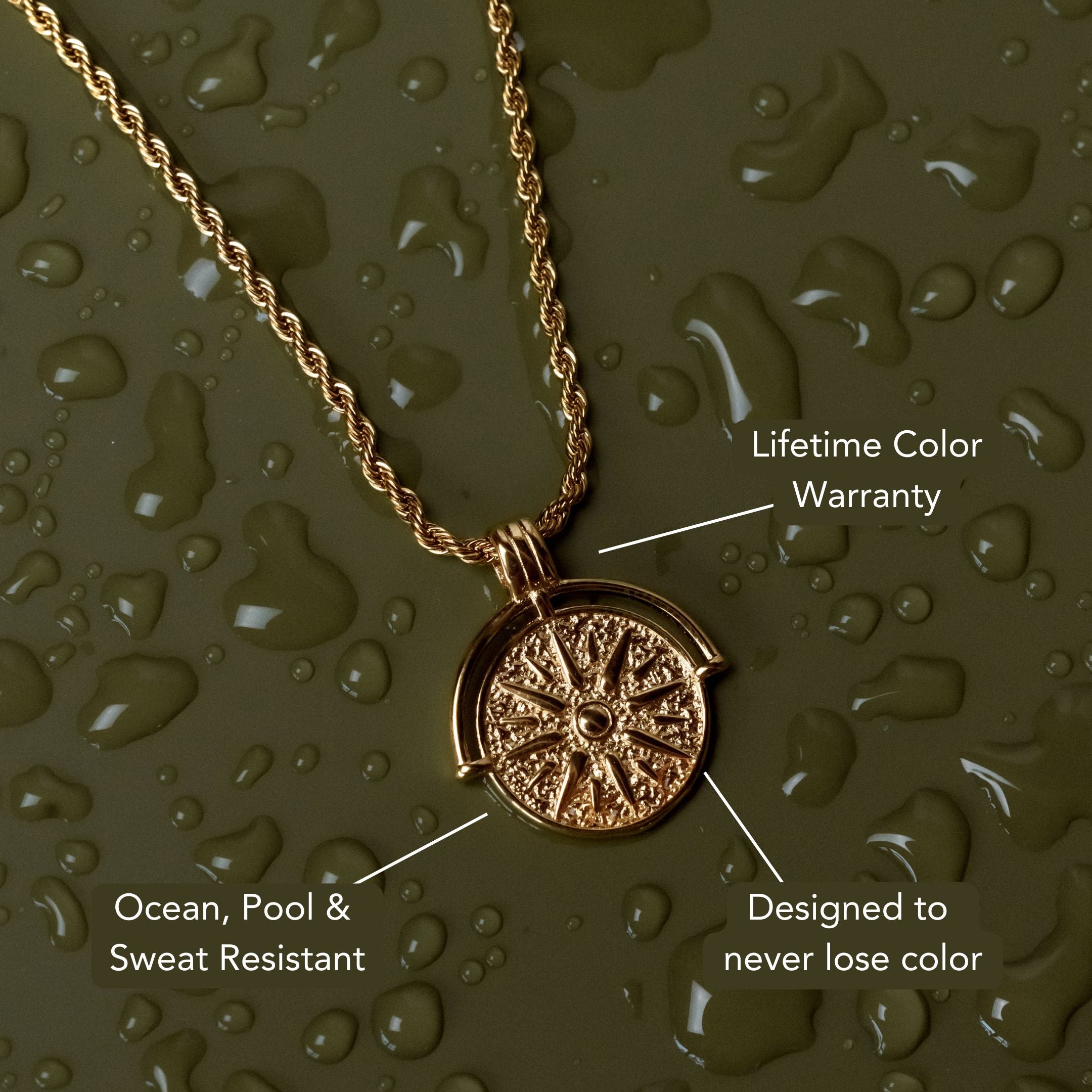
Plating only delays the process. As thin layers wear, your skin contacts the copper-rich core and the reaction resumes.
Skin sensitivity also matters: if your sweat is more acidic or you’re low on certain minerals, the tint appears faster.
Chlorine, saltwater, and household cleaners speed corrosion, roughening surfaces and trapping residue that amplifies staining.
Keeping pieces clean and dry reduces exposure.

Metals That Are Least Likely to Stain Skin
When you want jewelry that won’t leave a green cast, choose metals with minimal reactive copper content and stable surface chemistry.
Prioritize platinum and palladium; their inert surfaces resist sweat, lotions, and oxygen, reducing skin reactions. Surgical-grade stainless steel (316L/316LVM) is another reliable option; its chromium-rich passive layer limits ion transfer.
Titanium also performs well, forming a durable oxide film that stays color-stable.
Sterling alternatives like argentium silver (with germanium) tarnish more slowly than traditional copper jewelry mixes, improving wearability. Rhodium-plated pieces can shield underlying alloy compositions, but you’ll need periodic replating.
For budget picks, high-quality tungsten carbide and niobium are dependable.
Practice smart jewelry care: remove pieces before chlorine, workouts, or acidic products; keep items dry; and store separately to maintain protective surfaces and prevent staining.
Solid Gold: Karats, Alloys, and Skin Safety
Two factors decide how “safe” solid gold feels on your skin: karat purity and the alloy mix.
Higher gold purity (18K–24K) means less reactive metal in the blend, so you’re less likely to see green staining or itching. Pure 24K is soft but inert; 18K balances durability with low reactivity for daily wear.
Lower karats (10K–14K) contain more base metals. That alloy composition matters: nickel can trigger irritation; copper can oxidize and transfer color; zinc and silver are generally milder.
If you’re sensitive, choose nickel‑free alloys and warmer yellow golds with reduced copper.
White gold often uses nickel to bleach color; opt for palladium‑based white gold instead.
Keep pieces clean and dry; sweat, lotions, and acids accelerate alloy oxidation and skin transfer.

Platinum and Palladium: Hypoallergenic Heavyweights
Although both sit at the top end of fine jewelry, platinum and palladium earn their “hypoallergenic” status for different metallurgical reasons. You benefit because neither metal relies on nickel-heavy alloys that provoke rashes or green discoloration.
Platinum properties make it a skin-safe workhorse: it’s dense, inert, and typically alloyed with ruthenium, iridium, or cobalt in small amounts. Platinum doesn’t oxidize or leach, so it won’t transfer color to your skin. Its durability also keeps prongs secure, reducing maintenance.
Palladium benefits mirror platinum’s, with a lighter feel and excellent corrosion resistance. It’s naturally white, so you won’t need rhodium plating to mask yellow tones. Palladium’s lower density offers comfortable, substantial pieces without bulk.
Choose either when you want enduring brilliance, minimal upkeep, and reliable hypoallergenic performance.
Sterling Silver vs. Argentium Silver: What to Know
Even if both are “silver,” sterling and Argentium behave differently on your skin and in daily wear.
Sterling silver properties: 92.5% silver alloyed mostly with copper, which boosts strength but can tarnish as copper oxidizes. That tarnish, combined with sweat, lotions, or low pH, can leave a faint green cast on some skin. You can minimize it with rhodium plating or frequent cleaning.
Argentium silver benefits stem from replacing some copper with germanium. You’ll get higher tarnish resistance, a harder surface, and a self-passivating oxide that slows corrosion.
It’s nickel-free, easier on sensitive skin, and stays brighter longer with routine rinsing and a soft cloth. If you’re reactive or want low-maintenance shine, pick Argentium.
If you prefer traditional alloy feel and lower cost, choose sterling.
Stainless Steel and Titanium: Budget-Friendly, Low-Reaction Picks
When you’re watching your budget but want jewelry that won’t irritate skin, stainless steel and titanium deliver reliable, low-reactivity performance.
316L/316LVM surgical stainless steel contains chromium and molybdenum that form a stable passive layer, cutting corrosion and nickel release to well below EU limits; it’s durable, scratch-resistant, and holds polish, though highly acidic sweat can still trigger minor darkening on some wearers.
You’ll notice stainless steel advantages in daily wear: strong clasps, crisp edges that resist dings, and minimal maintenance with mild soap and water.
Titanium raises the bar for lightweight comfort and biocompatibility. It won’t tarnish, and its oxide film self-heals after micro-scratches, enhancing titanium durability.
Choose grade 2 for affordability, or grade 5 (6Al-4V) for tougher, thinner profiles. Both metals suit earrings, chains, and rings.
Nickel-Free and Hypoallergenic Labels: How to Verify
Stainless steel and titanium set a strong baseline, but labels like “nickel-free” and “hypoallergenic” still demand proof. Don’t trust marketing alone—verify composition and testing. Ask the seller for an alloy breakdown and independent jewelry certification, such as REACH-compliant documentation or ASTM/EN standards for nickel release (e.g., EN 1811).
These tests quantify how much nickel migrates to skin; low release matters more than vague claims.
Check for “nickel-free” definitions: in many markets, it means minimal nickel content, not absolute zero. If you have nickel sensitivity, insist on certificates or lab reports tied to lot numbers, not generic PDFs.
Confirm post-manufacture testing and brand traceability. Inspect return policies and warranties that reference allergen compliance. When in doubt, buy from medical-implant–grade suppliers or reputable piercers.
Plating, PVD, and Protective Coatings: Do They Work?
How do coatings actually keep your skin from turning green? They block copper and nickel ions from contacting sweat and acids.
Electroplating (gold or rhodium over brass/sterling) works if the layer is thick: 1–2 microns resists wear; flash plating (≤0.1 micron) won’t.
PVD (Physical Vapor Deposition) bonds metal nitrides—often titanium nitride—at the atomic level, giving harder, more scratch‑resistant surfaces than conventional plating. It’s excellent for color stability and coating durability, especially on stainless steel.
Clear protective lacquers and ceramic nano‑coatings create inert barriers. Quality versions are hypoallergenic and can outlast thin metal plating, but they eventually abrade at high-friction points.
You’ll still need thoughtful jewelry maintenance: avoid abrasive contact, monitor high-wear edges, and reapply or replate when a base metal peeks through to prevent ion transfer.
Care, Storage, and Wearing Tips to Prevent Discoloration
Coatings buy you time, but your daily habits decide how long that barrier lasts.
Remove rings before washing hands, lifting weights, or applying lotion. Sweat, chlorine, and sulfides accelerate corrosion—take pieces off before workouts, pools, and hot springs.
As part of jewelry maintenance, wipe metals with a dry microfiber after wear; use pH-neutral soap only when needed, then dry fully.
Store each item in an anti-tarnish pouch with silica gel; keep sterling and brass separate from stainless and gold to avoid galvanic transfer.
Don’t nest pieces—abrasion thins plating. Rotate wear to let skin and metal dry out.
Sync skin care with jewelry: apply sunscreen, retinoids, and fragrance first, let them absorb, then wear pieces.
If skin turns green, pause, clean, and re-seal with clear barrier.

Frequently Asked Questions
Does Skin Ph or Sweat Composition Affect Green Discoloration Risk?
Yes. Your skin chemistry and sweat acidity directly influence green discoloration risk. Higher acidity and chloride content accelerate copper or nickel ion release, forming salts that stain. Manage sweat, clean pieces, and choose inert alloys or protective coatings.
Can Certain Lotions, Perfumes, or Soaps Trigger Green Stains?
Yes. You trigger green stains when lotion ingredients or perfume chemicals contain acids, salts, or alcohols that corrode copper alloys. Avoid glycerin-heavy lotions, alpha-hydroxy acids, and strong fragrances; let products dry, rinse residues, and choose rhodium-plated or nickel-free metals.
Do Climate or Humidity Levels Influence Jewelry Staining?
Yes. You’ll see climate effects and humidity impact accelerate tarnish and copper leaching. In hot, humid conditions, sweat and salts boost corrosion. Choose stainless steel, platinum, high-karat gold, or rhodium-plated silver; dry skin promptly and store pieces with desiccants.
Are There Medical Conditions or Medications That Increase Reactions?
Yes. You’re more prone if you have allergic reactions or skin sensitivities, eczema, hyperhidrosis, thyroid disorders, or anemia. Medications like antibiotics, diuretics, chemotherapy, and hormonal therapies can alter sweat or pH, increasing metal ion release and irritation.
How Do Returns or Warranties Address Discoloration Issues?
Returns and warranties usually cover discoloration if materials or plating fail under normal wear. You’ll document photos, follow return processes, and request replacement or refund per warranty policies. Exclusions often include chemical exposure, improper care, or expired coverage.
Conclusion
You don’t have to gamble on green skin. Choose solid 14k–18k gold, platinum, palladium, titanium, surgical stainless steel, or high-quality Argentium silver. Verify nickel-free and hypoallergenic claims from reputable sellers, and treat plating and PVD as durable—but not permanent—barriers. Keep pieces dry, clean, and stored individually; avoid lotions, chlorine, and sweat. If you’re reactive, use clear barrier coats and re-plate when needed. With smart materials and care, your jewelry will look great without leaving a trace.






Leave a comment
This site is protected by hCaptcha and the hCaptcha Privacy Policy and Terms of Service apply.